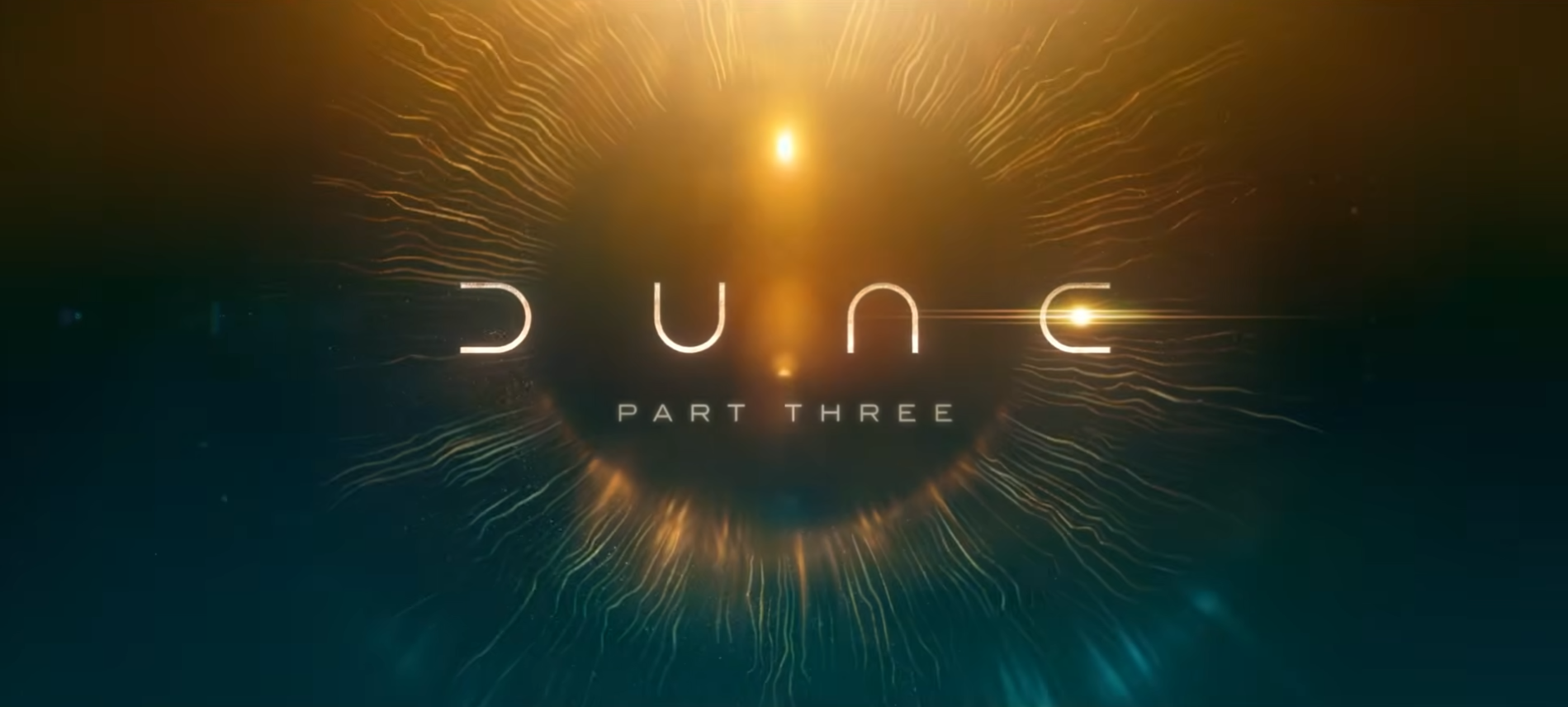
Movie Trailer of the Week: Dune Part Three
Matt Clarke
March 18, 2026
The latest trailer for Dune Part Three just dropped. It looks rather splendid.

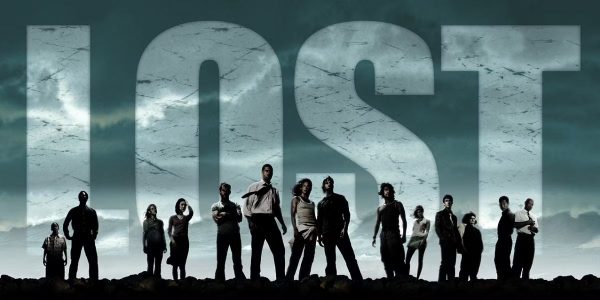
Is bingeing bad for us? It seems an obvious question, but I have been thinking about it lately, while revisiting Lost, the tv show that started 22 years ago (cripes, I feel old). Back when it was airing, my friends and I watched it religiously every week, talked about it in great detail, eagerly awaiting the next episode. It was the definitive show of its time, sparking debates and endless theories. It felt great to be a part of that, the sense of all experiencing the same thing together over a long period of time – most seasons had over 20 episodes, which is way more than most shows get these days – and they aired one by one, every week for several months. In today’s age of bingeing a show from beginning to end, I wonder what we are missing by not taking our time.
The thing is, I love a good binge. Just this week, I watched the entirety of A Knight of the Seven Kingdoms in a single evening, and had a great time. Years ago, I watched the entirety of Haunting of Hill House with a fellow horror-connoisseur friend who was willing to stay up all night with me. It remains one of my favourite horror shows to this day, and I remember important plot points and moments pretty vividly. But what have I forgotten? It’s impossible to say, but there surely are details that were not able to fully sink in, simply because I watched it all in one go. Certain nuances must have flown over my head, underappreciated that night, and now impossible to retrieve.
Compare that to Lost, where we would dissect each episode scene by scene, trying to decipher the show’s many mysteries: speculating what the smoke monster was, guessing what the numbers really meant, trying to predict where it was all going. Lost was infamously written in such a way as to create intrigue at every opportunity, and the writers have since admitted they did not have a grand master plan and were often winging it, with only each individual season planned out, but no clear end in sight until the show approached its final couple of seasons. But it was undeniably a fun ride, and watching it weekly, being forced to think about it for days afterwards, unable to simply move on to the next one immediately, all of that waiting enhanced the experience of consuming it. I cannot say the same for most of the shows that come out today.
I’m aware that not every major streamer does this, but since Netflix popularised it, there’s no denying that it is now a trend to release a show in its entirety all on the same day. Frankly, I just don’t think it’s the best way for us to experience a serialized story. It contributes to the generally unhealthy trend of consuming as much as possible, as quickly as possible, which we all know deep down isn’t the most healthy habit. But as someone who’s always wanted to create stories, I’ve spent a lot of time thinking about the best ways to tell one. I highly doubt the creators of shows want us to binge them as fast as possible and then move onto the next thing. I can’t imagine writing anything intended to be consumed that way. But the streaming channels, well, that’s their whole thing, isn’t it? Netflix was designed from the ground up to be an on-demand service. You don’t need to wait each week to watch all the episodes of your favourite show – they serve it all in a big bowl and give you a giant straw to slurp it all up. And we love them for it.
I’m not just being nostalgic, there’s more to it than that. It’s not that shows were better “back in the day.” There’re some incredible new shows being made today, and it’s thanks to classics like Lost that paved the way. I believe things like the infamous episode about Jack’s tattoos is partly responsible for why we have shorter seasons of shows today compared to back then – nobody tolerates filler. We want tight stories, with engaging character development and satisfying endings. And rightly so! I think Lost could have been so much better if the writers had been allowed to end it sooner, and tell the story they wanted, but the show was too popular for its own good. ABC wanted it to run for as many seasons as possible, until it stopped making them money.
So, shows weren’t necessarily better in the past, but they lasted longer in the cultural zeitgeist. We were more invested in them, and that engagement added to our enjoyment. We put in more effort and were rewarded for it. Lost ran from 2004 to 2010, spread across a total of 121 episodes. That’s 121 weeks that we spent discussing it, except it’s actually even more than that, because we also had to wait the best part of a year for each subsequent season. We literally spent 6 years talking about Lost. No wonder it made such a cultural impact. Shows that release in their entirety on streaming channels come and go in a matter of days, weeks if they’re lucky, and the conversation around them evaporates. They don’t have a chance to leave any impact.

Take Wednesday, for example, whose first season is currently listed as Netflix’s most viewed show, at 250 million views. That number sounds staggering, especially when you realise that Lost averaged about 15 million viewers for its first season, and those numbers dropped steadily off as the show continued. The math doesn’t quite compare, since Netflix’s count includes repeat viewings, and is a collective total of each of its episodes. If you calculate the average 15m by its 24 episodes, Lost comes to about 300 million.
So, on paper at least, it feels as though both shows have similar size audiences, and for the purposes of this anecdotal article, I’m rolling with that. But with so many people having watched Wednesday, you’d think more people would be talking about it. And while I’ll freely admit I’m not hanging out in Wednesday’s online fanclubs, which I’m sure exist, the conversation doesn’t feel remotely close to the levels of Lost. My grandma never watched Lost, but she at least knows what it is because it was impossible to avoid hearing about it unless you lived in a cave. I just don’t think we have time for discussing Wednesday in as great detail – we all binged it and moved on.
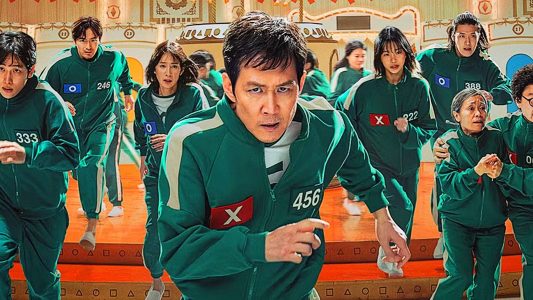
Let’s briefly look at another one of Netflix’s monster hits – Squid Game. This show had the potential to generate some Lost-levels of dialogue. It could have had us all guessing what childhood game it would bastardise next week, and we could have made predictions and reminisced about our favourite playground games, and imagined how the show would raise the stakes and turn them into a deadly version. Squid Game also had a bit of social commentary to say about issues like the class system and wanted to raise awareness of how the ultra rich hold all the power over the little people, but this message was overlooked by many who just wanted to enjoy watching people get tortured. It captured a large audience when it came out, and people were talking about it. But its deeper themes didn’t seem to come up as much as they might have if the show was given more time to breathe. And ultimately, Squid Game hasn’t remained relevant for very long since its conclusion.
Regardless, it’s impossible to replicate the conditions of yesteryear in this age of streaming. Unless you impose strict viewing habits and limit yourself to only watching one episode per week, then you’re likely going to sit and let the next episode roll on. Every streaming channel auto-plays the next episode, and we’ve come to expect it. I miss the days of thoughtful conversation about specific bits of a show, those water-cooler moments with friends where we discuss last night’s episode. It feels like we’ve lost something tangible by embracing convenience and quantity, and I don’t think there’s an easy way to reclaim it.
The latest trailer for Dune Part Three just dropped. It looks rather splendid.
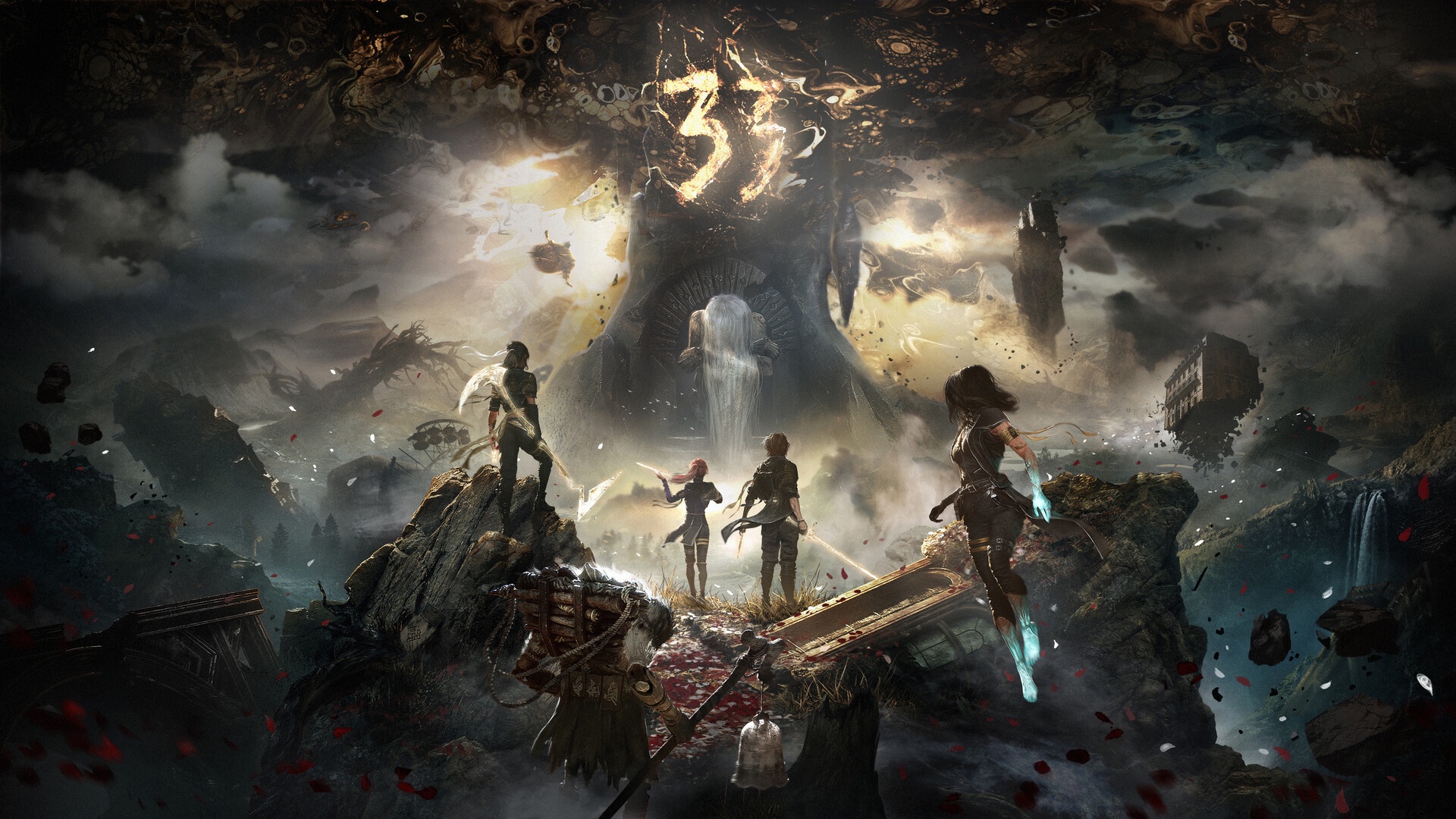
There’s not a lot I can say about Clair Obscur: Expedition 33 that hasn’t already been said, but here’s my take anyway. The game deservedly garnered a heap of attention when it came out for being a fantastic example of a JRPG, that happened to be made in France. Technically, ignoring the fact that the team includes a bunch of ex-Ubisoft veterans, it’s the debut title from developers Sandfall. And what a debut game it is.
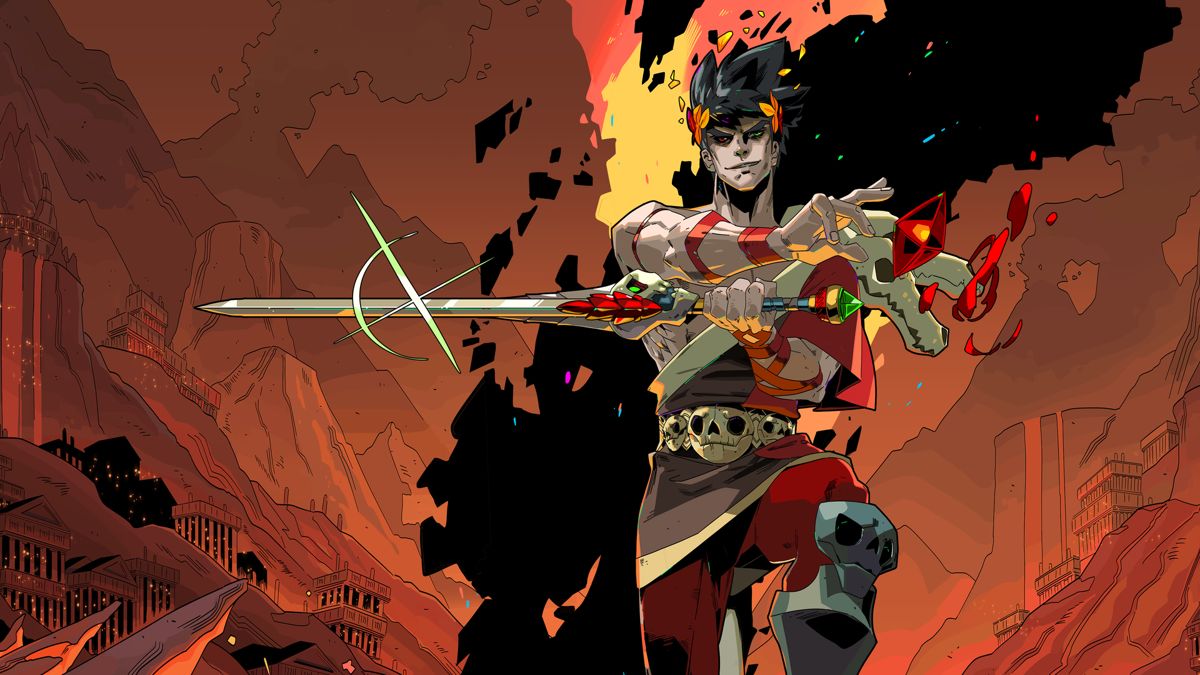
Hades is a great example of a coffee break game. You can play through a single run within 30 minutes, but if something comes up and you have to stop mid-run you can save and quit in whatever room you’re in and continue later. As the father of a toddler, I find this particularly appealing these days. I like to squeeze in a quick game during my baby girl’s nap time, and since I never know exactly how long she’s going to sleep for, I need games that can be played in short bursts. I’m starting this new mini-feature series with Hades, because you’re almost always guaranteed to have a good time, no matter how long you play for.

Years: 1996 – 2003
To this day, the N64 holds my fondest gaming memories on a console. The PC may have stolen my heart eventually, but I’ll never forget the fun of my childhood, playing multiplayer games on my N64 with a bunch of mates after school, and during sleepovers.

I don’t get on with the Souls games at all, but I really wish that I did. For me, the combat was just a little too clunky and, oh, you know, fucking difficult.

Format: PC
Year: 2001 – present day
If Return to Castle Wolfenstein was my first date with PC gaming, Battlefield 1942 was when she invited me to meet her parents, and the relationship went to the next level. My god, did I really just write that analogy?

Copyright © 2010 - 2026
Site designed and hosted by Tekamutt Media